Understanding Mobility Devices: Enhancing Independence and Quality of Life
In today's fast-paced world, the desire for mobility is universal. Nevertheless, particular medical conditions or age-related obstacles can impede movement, causing an ongoing search for support. Mobility devices act as essential tools to enhance independence, enhance quality of life, and allow individuals to engage fully in their neighborhoods. This article offers a thorough introduction of mobility devices, including their types, functions, choice requirements, and more.
Types of Mobility Devices
Mobility devices range from easy aids to intricate equipment, customized to meet various requirements. Below is a table summarizing typical kinds of mobility devices:
| Type of Device | Description | Perfect For |
|---|---|---|
| Walkers | Four-legged assistance devices that provide remarkable stability while walking. | Individuals requiring additional support. |
| Canes | Single or three-legged sticks that enhance balance and assistance walking. | Those with minor mobility difficulties. |
| Wheelchairs | Seats mounted on wheels, readily available in handbook and electric versions. | People with limited or no mobility. |
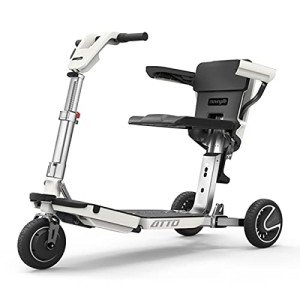
| Scooters | Electric cars created for outdoor usage and ease of navigation. | Those who can't stroll fars away. |
| Crutches | Devices that assist people move weight away from a hurt leg. | People recovering from leg injuries. |
| Rollators | Walkers with wheels, seats, and brakes for boosted mobility. | Users needing rest choices while walking. |
| Raise Chairs | Reclining chairs that assist users in standing up and sitting down. | Seniors or those with mobility restraints. |
| Mobility Scooters | Small electric automobiles for restricted mobility, frequently utilized outdoors. | People requiring help over fars away. |
Key Features of Mobility Devices
When choosing a mobility device, several key functions ought to be considered to ensure optimum performance and ease of use:
- Weight Capacity: Understanding the device's weight limitation is essential for safety and efficiency.
- Adjustability: Devices should be adjustable in height and width to fit the user comfortably.
- Mobility: Lightweight and foldable options are important for users who travel or require transport.
- Stability and Safety: Look for functions like anti-tip wheels and strong structures to enhance safety.
- Alleviate of Use: Simple systems and user-friendly styles can make a significant distinction in daily usage.
- Comfort: Ergonomic designs and cushioned seats can boost the user experience.
Choosing the Right Mobility Device
Selecting the ideal mobility device can be an overwhelming job. Here are some actions to direct the decision-making process:
- Assess Needs: Evaluate the individual's mobility difficulties and day-to-day activities.
- Speak with a Professional: Engage health care specialists who can provide suggestions based on the individual's physical condition.
- Trial Options: If possible, trial various devices to figure out comfort and functionality.
- Evaluation Budget: Consider the expense of the gadget, consisting of any extra features or modifications required.
- Research study Options: Determine the best brand names and models by checking out reviews and comparisons.
Table: Comparative Analysis of Popular Mobility Devices
| Gadget | Advantages | Downsides |
|---|---|---|
| Walkers | Outstanding stability, promotes walking. | Bulky, might restrict motion in small areas. |
| Walking sticks | Lightweight, improves balance. | May not supply enough support for extreme mobility concerns. |
| Wheelchairs | Suitable for those with significant mobility limitations. | Can be troublesome, specifically in indoor environments. |
| Scooters | Great for outside use, simple to maneuver. | Minimal indoor usability, much heavier. |
| Rollators | Offers rest alternative, simple to move. | May require more space than standard walkers. |
| Raise Chairs | Comfortable, helps shift from sitting to standing. | More costly, bigger footprint. |
Often Asked Questions (FAQs)
1. What is a mobility gadget?
A mobility device is any tool developed to help individuals in moving and browsing their environment. This includes walkers, wheelchairs, scooters, and crutches.
2. How do I know which mobility device is best for me?
Consider your specific mobility difficulties, physical capabilities, and way of life requirements. Consulting with healthcare professionals can likewise supply customized suggestions.
3. Are mobility devices covered by insurance?
Lots of insurance coverage plans, including Medicare, might cover particular mobility devices. It's essential to contact your insurance provider for particular protection information.
4. Can I rent a mobility gadget instead of buying one?
Yes, many medical supply stores and pharmacies use leasings for mobility devices. This choice is helpful for individuals with short-term mobility concerns.
5. How can folding mobility scooter with lithium battery preserve my mobility device?
Regular upkeep is important. It consists of cleaning up the device, examining for wear and tear, and ensuring all parts are working correctly.
The Impact of Mobility Devices on Quality of Life
Mobility devices significantly enhance the quality of life for individuals with limited mobility. They foster self-reliance, encourage social interaction, and enhance access to necessary services and leisure activities.
- Increased Independence: Users can navigate their areas, go to occasions, and engage in pastimes without relying on others.
- Social Engagement: Mobility devices facilitate involvement in celebrations, consequently combating sensations of seclusion.
- Boosted Safety: Devices supply stability and reduce the danger of falls, promoting user confidence.
Mobility devices are more than just tools for motion; they are entrances to independence and quality living. By understanding the different kinds of mobility aids offered, their key features, and factors to consider for choosing the best gadget, people can make informed choices about their mobility needs. Ultimately, the ideal mobility gadget can result in a more active, satisfying life. Whether it's a walker, wheelchair, or scooter, the best option contributes significantly to enhancing the mobility and independence of users.